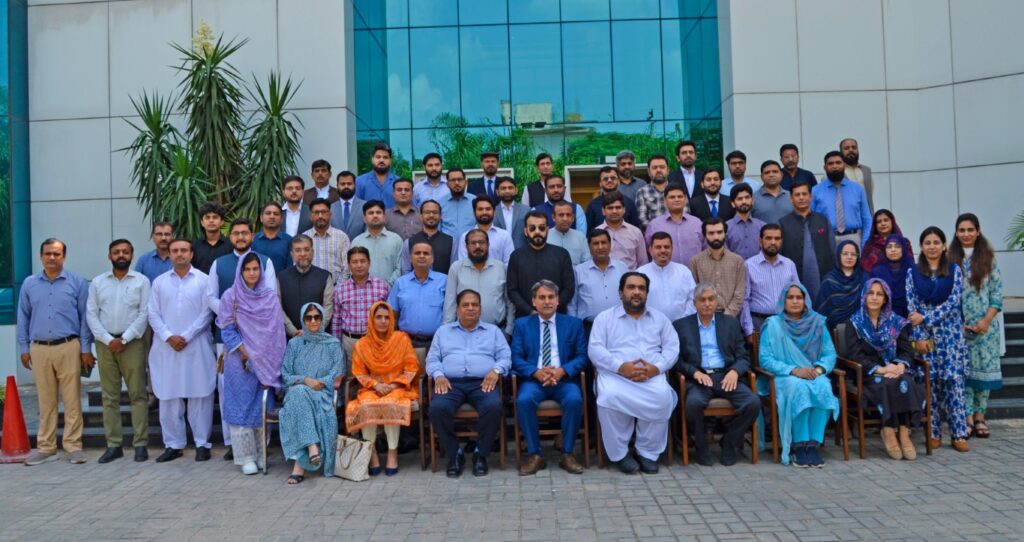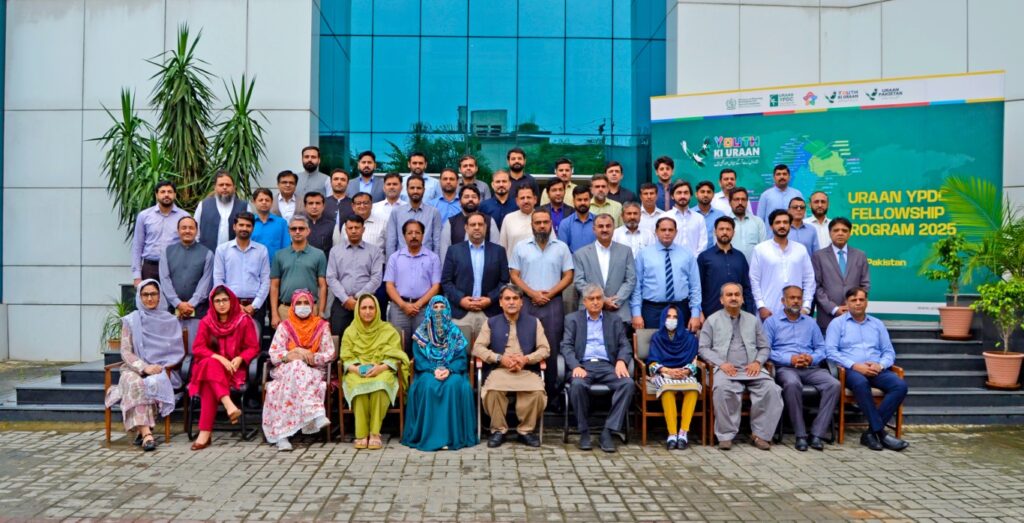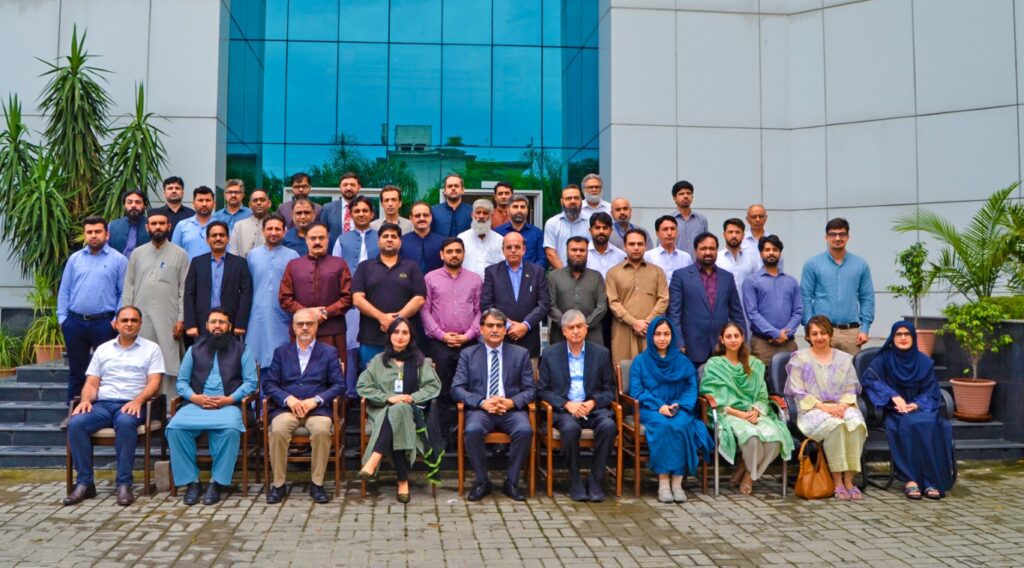
Date: 14 – 15 – 16 December 2016
Venue: Hill View Hotel, Islamabad
Objectives of The Training Programme
The training workshop was designed to achieve the following objectives:
- Develop a project idea on the basis of needs and required resources
- Enable the participants to acquire knowledge of management of project cycle
- Provide knowledge of linkage between development plans & projects
- Design good, inclusive and sustainable project proposals including estimation of capital cost, O&M cost, unit cost analysis, Logical Framework Approach and sustainability aspects.
- Appraisal of project proposals prepared by small support organizations (CSOs, VOs, COs etc) and NGOs. It includes technical, financial, economic, social, environmental and gender-based analysis.
- Develop a monitoring and evaluation plan that incorporates a process for checking and correcting project implementation, as well as the assessment of achievements.
Contents of The Training Programme
The contents of the training workshop comprised of the following key areas:
- PROJECT LIFE CYCLE
- Identification of the Project
- Why a Project
- Surveys
- Community
- Gender
- Beneficiaries
- Modes of Data Collection/Data Analysis
- Need Assessment
- Scooping Process
- Contextual Relevance
- Political/Social/Religious Scenarios
- Project Preparation/Proposal Writing
- Identification of Lead Organization/Implementer
- Identification of Main Stakeholders (VOs, CSOs, Govt. Agencies, NGOs, Religious Organizations/Institutions, Educational Institutions)
- Selection of Professional Proposal Writer
- Capsulation of the Information gathered through the Need Assessment
- Risk Analysis and Risk Management
- Budgeting
- Identification of Physical Activities
- Preparation of Work Plans with Quantifiable Targets
- Preparation of Cash/Financial Plans linking with the Physical Activities
- Allocation of Funds for the Project Activities on:
- Quarterly Basis
- Biannual Basis
- Yearly Basis
- Sustainability of Project
- In the Ongoing Phase
- After Completion of the Project
- Ex-ante Evaluation/Appraisal of the Project
- Review of the Proposal by the relevant Stakeholders
- Final Review by the Lead Organization
- Approval of the Proposal
- Consideration of:
- Technical Parameters
- Financing
- Budgeting
- Timelines
- Management
- Consideration of:
- Implementation
- Coordination with Stakeholders
- Coordination between the Implementation Staff
- Execution as per Activity Plans
- Result Based Monitoring (RBM)
- RBM vs. Conventional Monitoring
- Development of Monitoring Plans
- Setting up of Targets
- Scheduling and Regular Field Visits
- Mini Reporting and Decision Making
- Ex-post Evaluation
- Achievement of Objectives
- Successes and Failures
- Impact Evaluation
- Level of Achievement of the Project Goals
- Realization of the Change in the Society
- Identification of the Project
- PROJECT MANAGEMENT
- Appointment of Project Director (PD)
- Delegation of Powers to PD
- Coordination with Stakeholders – Training of Stakeholders if required
- Preparation of Work Plans with Quantifiable Targets
- Preparation of Cash/Financial Plans linking with the Physical Activities
- Allocation and Release of Funds
- Periodical Field Visits
- Implementation monitoring & evaluation
- LOGICAL FRAMEWORK ANALYSIS (LFA)
- Development of Log Frame; assessing relevance, feasibility and sustainability
- Stakeholder involvement
- Needs-based and Logical Intervention Approaches
- Results-oriented vs. Activity Driven
- Logically Setting Objectives and their Causal Relationships
- Objectives Achievement – Indicators for M&E
- External Factors on Success, Assumptions, Risks and Biases
- LFA – RBM AS PERFORMANCE MEASURING TOOLS
- (a) REPORT WRITING
- Why a Report?
- Level of the Report?
- Details needed to include?
- Format of Report
- Title Page
- Table of Contents
- Executive Summary
- Introduction
- Discussion
- Conclusion
- Recommendations
- References
- Appendices
- (b) DISCUSSION ON THE DOCUMENTS
- NCA’s Progress Report
- NCA’s Results Matrix
- NORAD’s Progress Report